Alex Chudakov
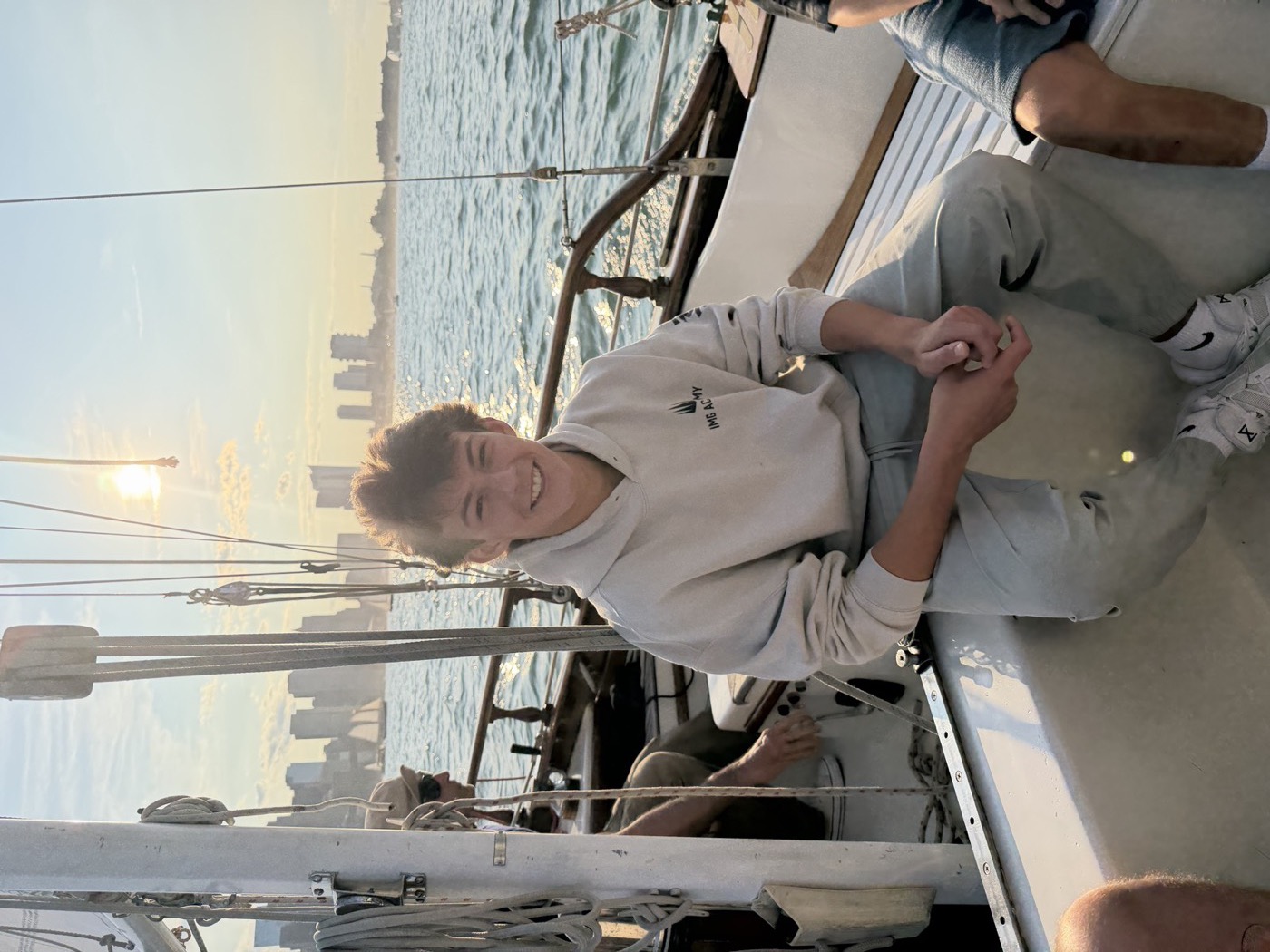
Student • Tennis Player • Technology Builder • Musician
Hi, I'm Alex. I'm a competitive tennis player, musician, and someone who likes figuring out how things work—and then trying to build something better.
Tennis has been a major part of my life since I was five. More recently, my curiosity about technology led me from my first AI course to learning computer science and eventually building TennisAC, a project that combines two things I care about: tennis and technology.
Growing up between Russia and the United States has also taught me how to adapt to new environments and appreciate different perspectives.
Thanks for visiting. I hope this site gives you a better sense of what I enjoy doing, what I'm working on, and what I hope to explore next.
TennisAC — AI Tennis Coach
An AI-assisted platform that analyzes a player's serve and groundstrokes from an ordinary smartphone video and returns structured, coach-style feedback. TennisAC combines my interests in tennis, programming, and artificial intelligence—it's the project I'm most excited to keep developing over the next few years.
Tennis
More than a sport.
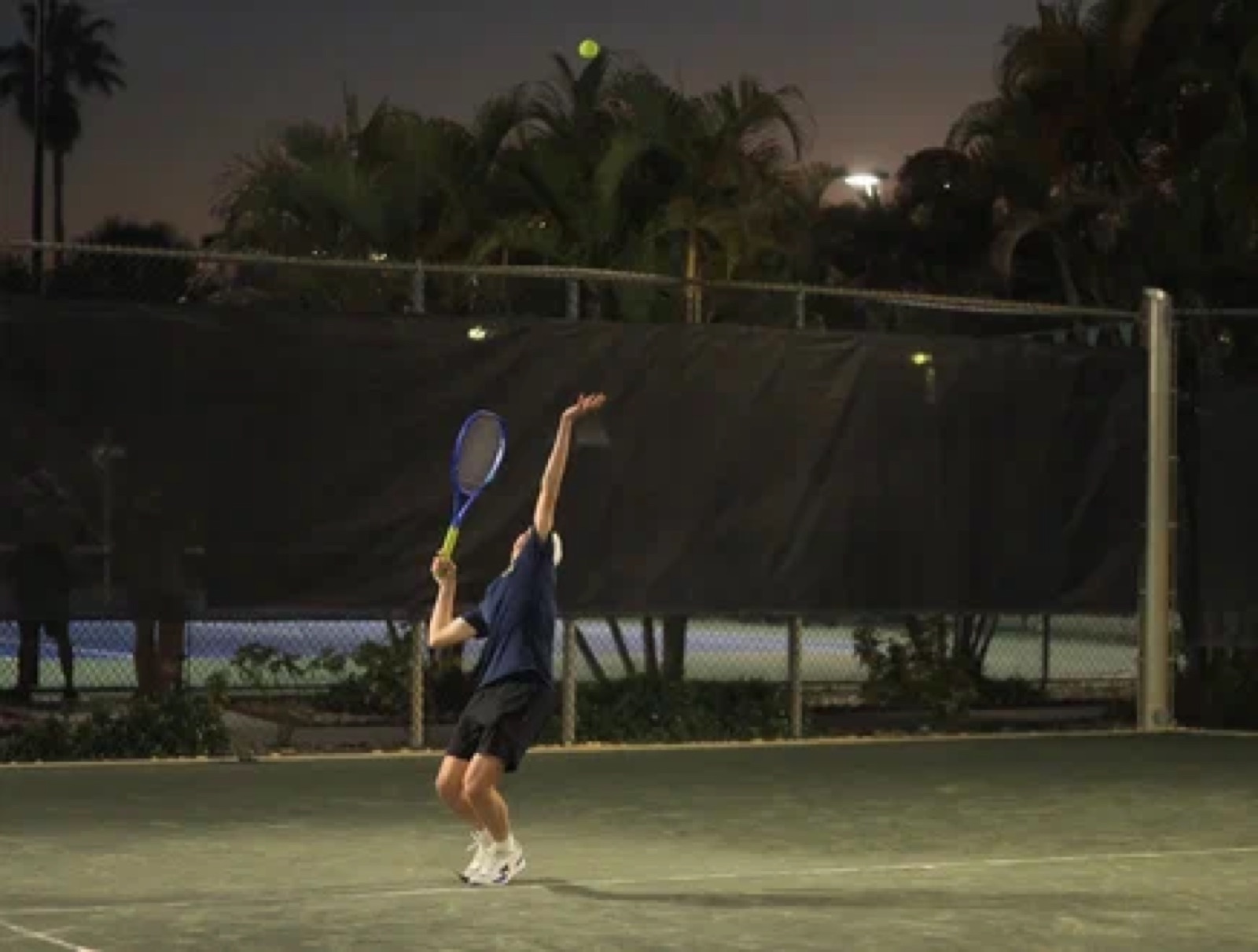
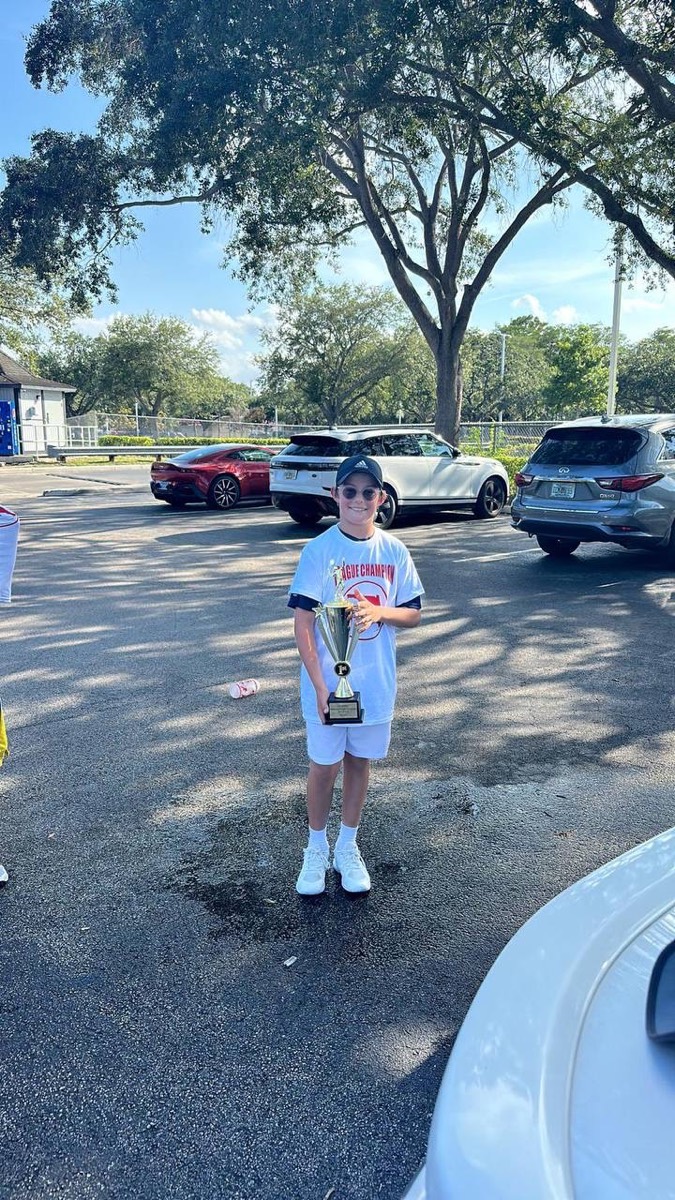
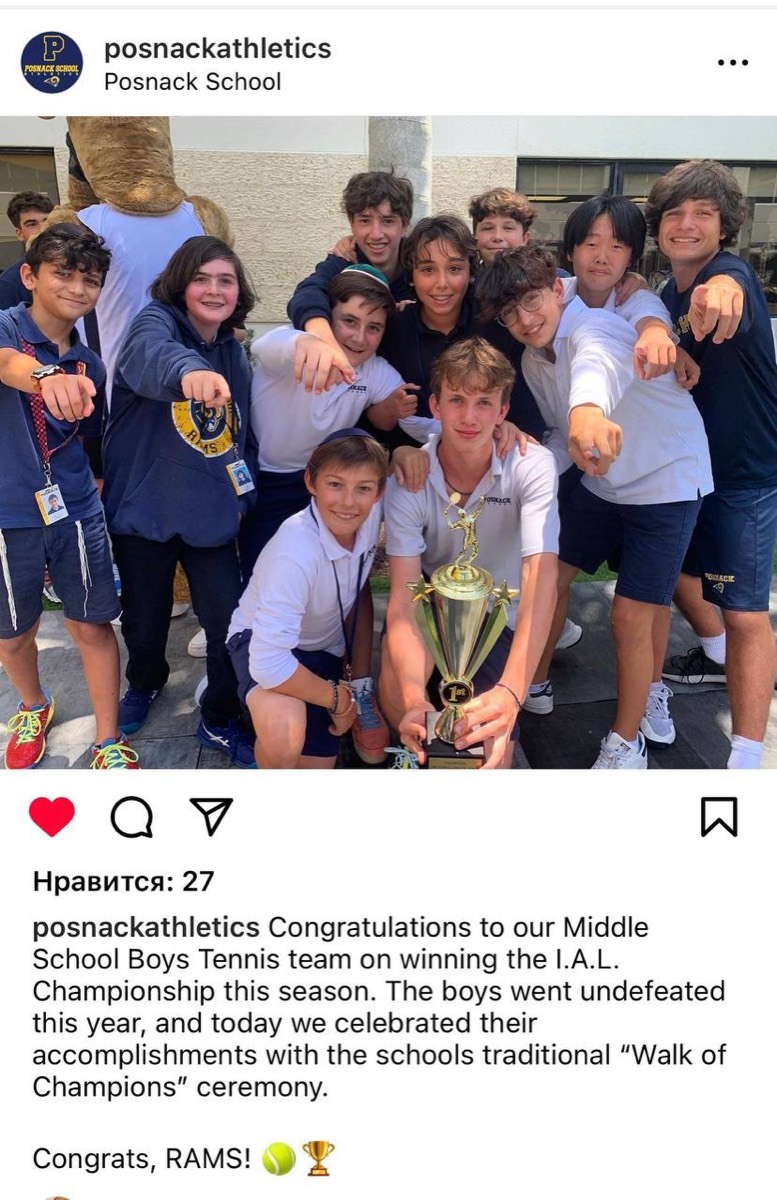
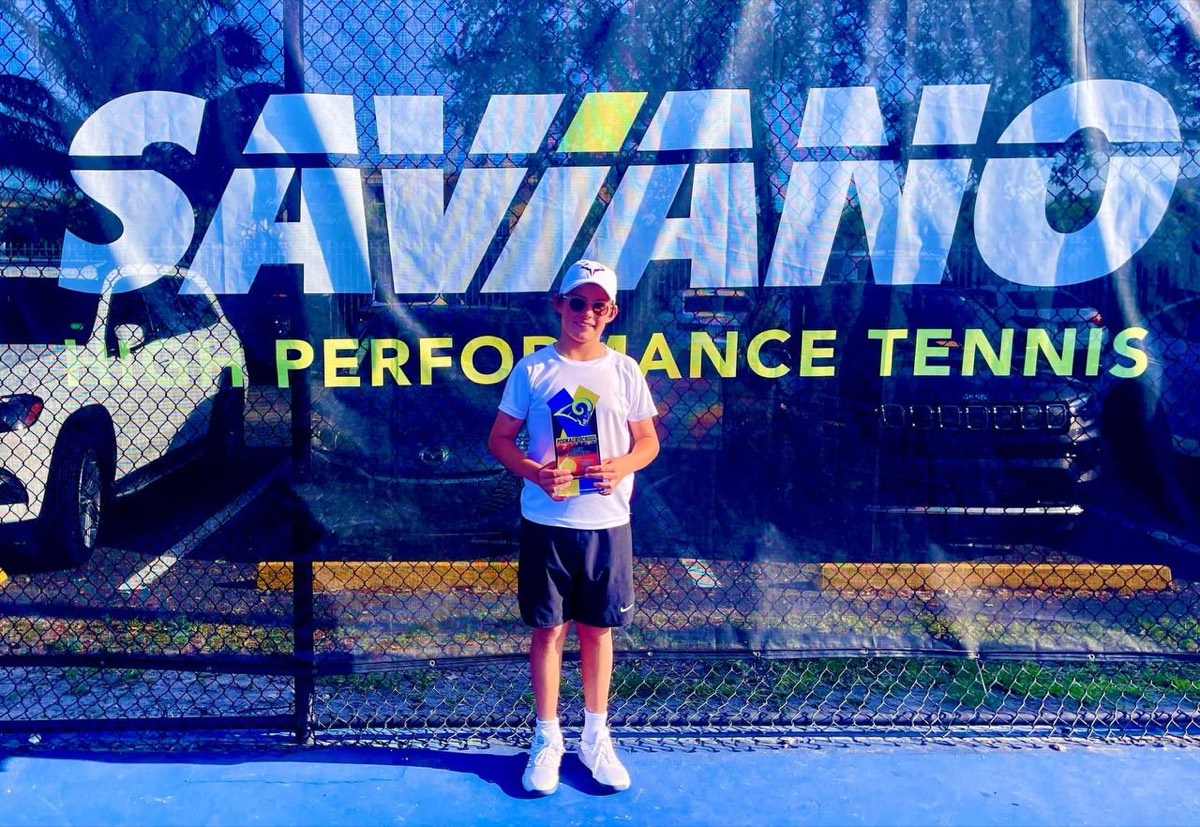
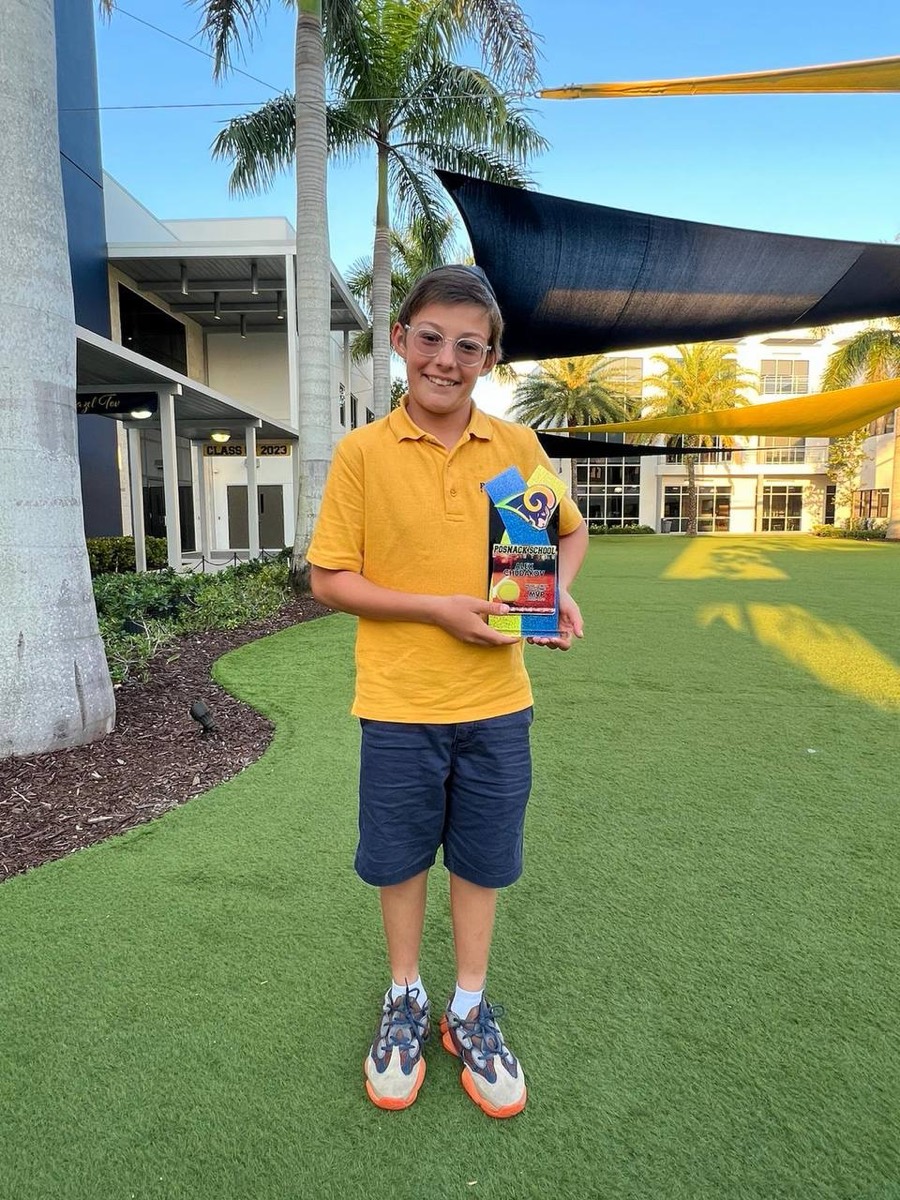
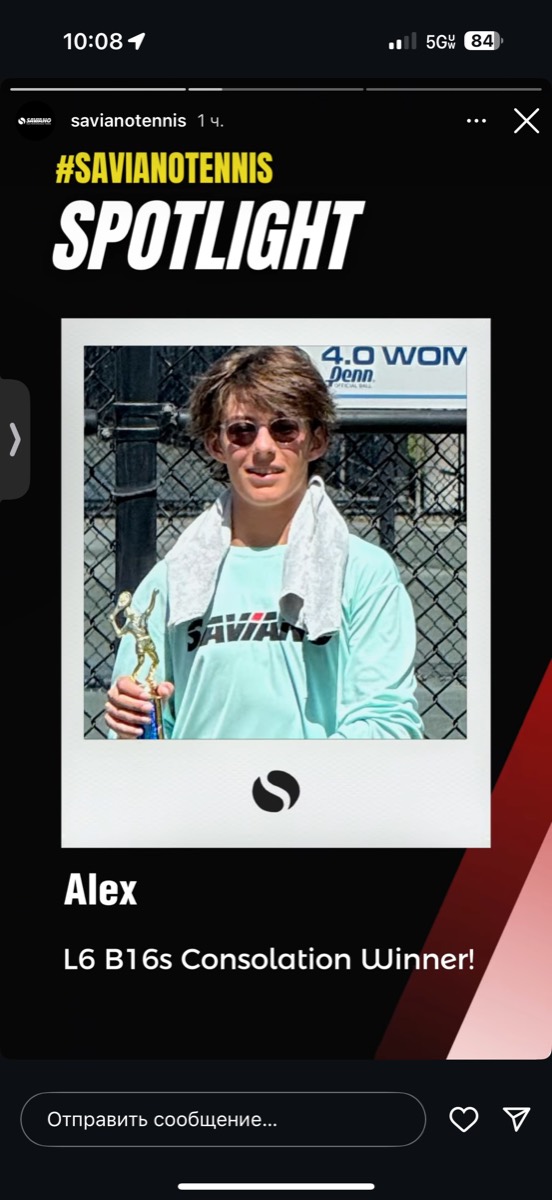
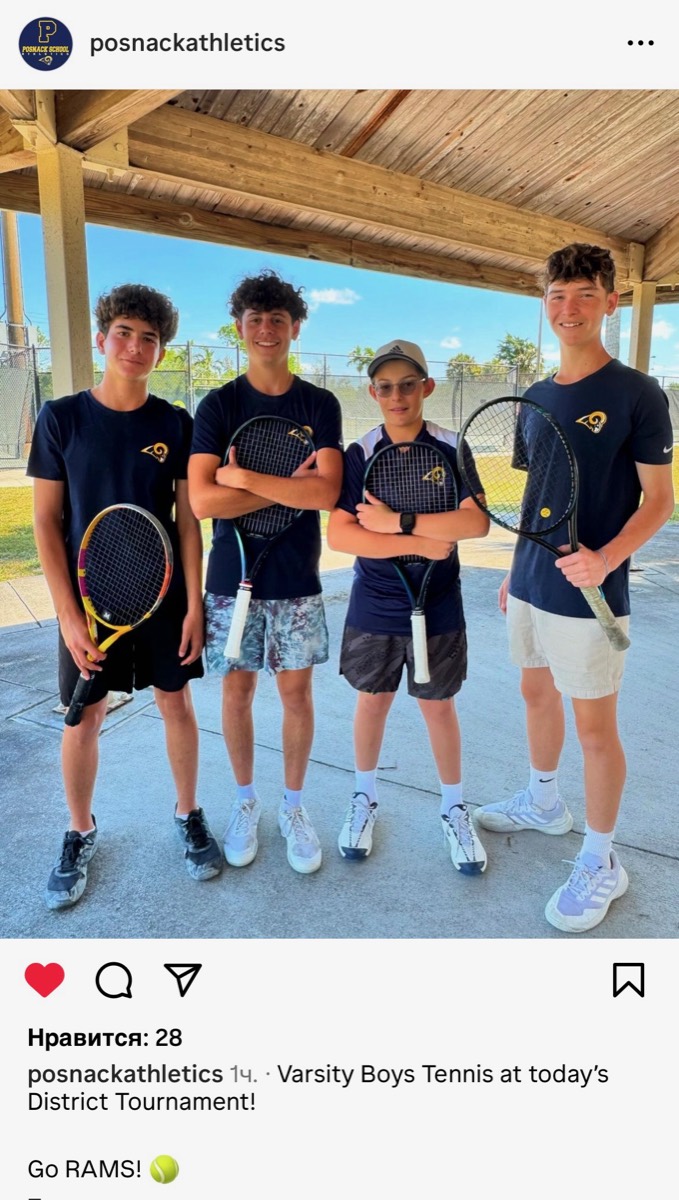
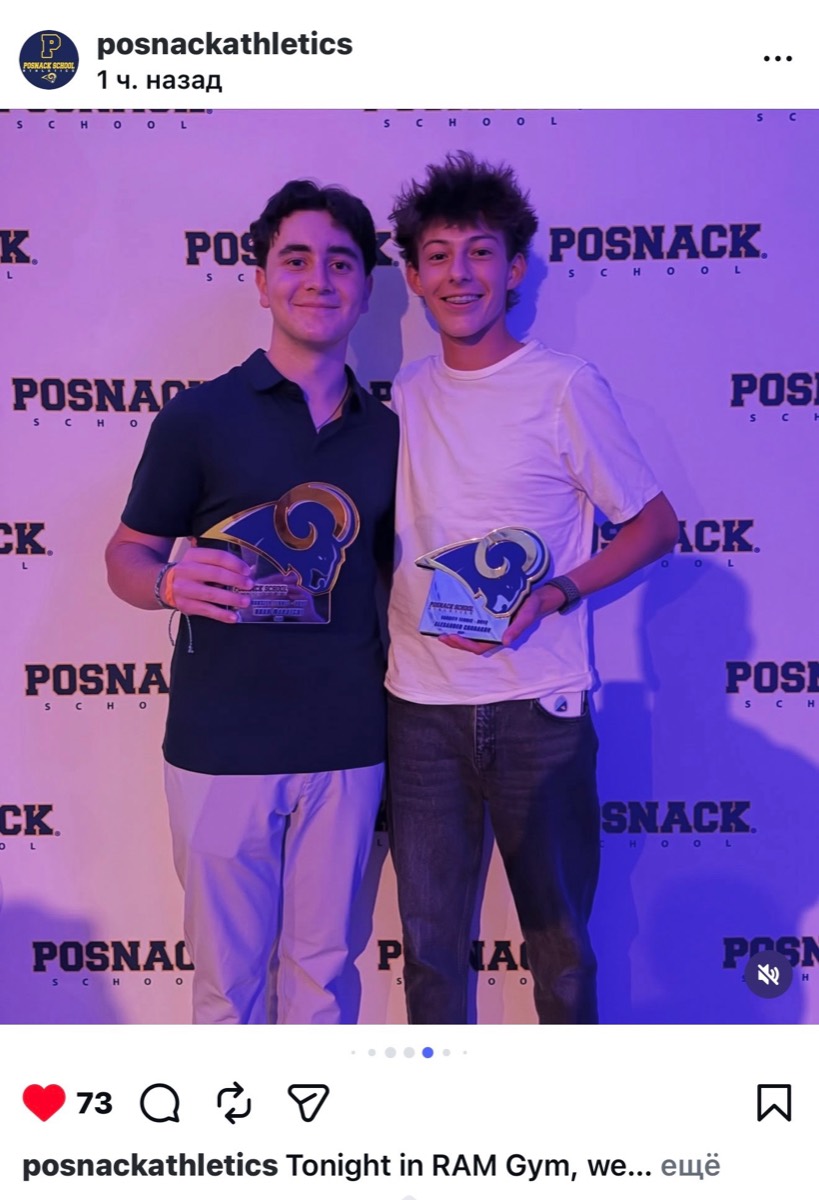
Tennis has been part of my life since I picked up my first racquet at five years old. Since sixth grade, I've competed on my school's varsity team while also playing USTA and UTR tournaments throughout the year.
Along the way, I've helped my team win a district championship and have been named Team MVP each season. Outside of school, I train year-round and compete against players from across Florida, always looking for opportunities to play stronger opponents and improve my game.
Tennis has taught me how to stay focused under pressure, recover from difficult losses, and keep working when progress isn't immediate. My goal is to continue developing as a player and eventually compete in college tennis.
Interests, Independent Projects & Research
From my first AI class to building my own tool.
How I went from a first exposure to artificial intelligence to designing, building, and deploying a working project of my own.
My first step into computer science
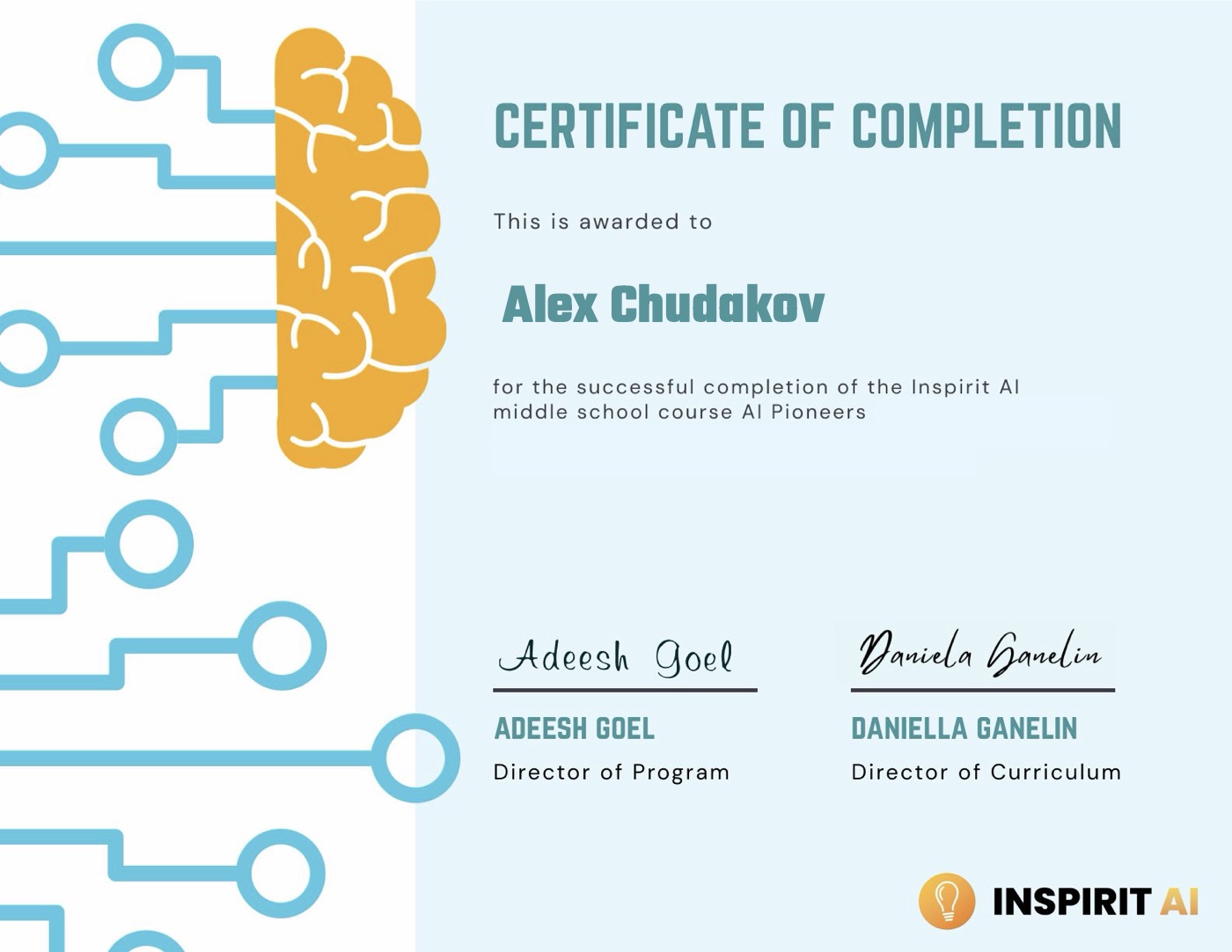
At the beginning of ninth grade, I took my first serious step into computer science through the Inspirit AI program. I learned the basic principles of artificial intelligence and explored how AI models can be used to solve practical problems. As part of the course, I built a simple chatbot. The experience sparked my interest in learning how technology could be used to create tools of my own.
A stronger foundation
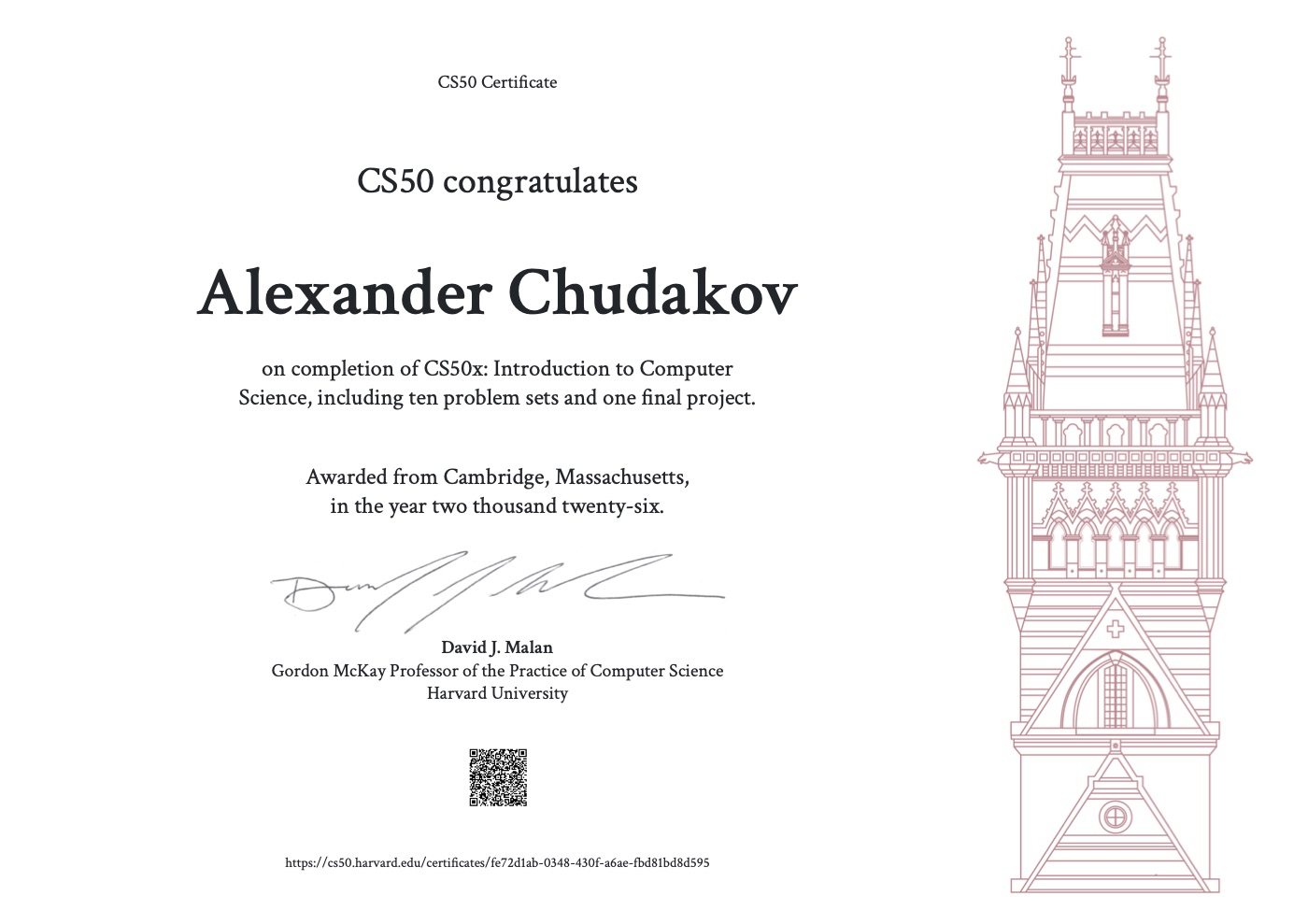
After Inspirit AI, I wanted a stronger foundation in computer science, so I enrolled in Harvard's CS50. Through the course I studied programming, algorithms, problem-solving, data structures, web development, and the process of turning an idea into a functional project.
Combining tennis and technology
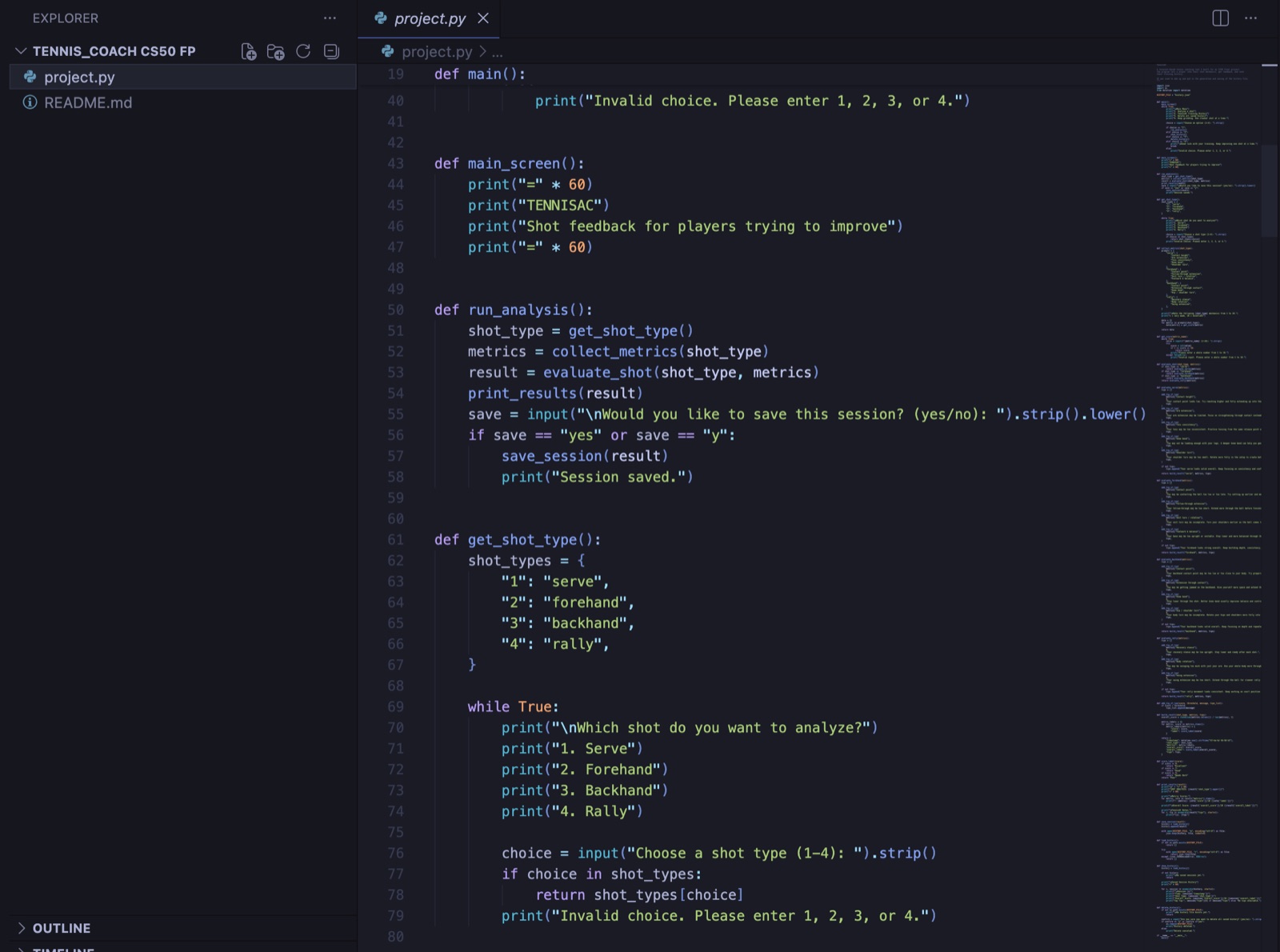
To complete CS50, students design, build, present, and submit an original final project. For mine, I created a tennis-focused website using Python and web-development tools. Building it showed me that I could combine two areas that matter to me—tennis and technology.
TennisAC — AI Tennis Coach
My CS50 project led me to a larger idea: a tool that could analyze tennis technique from an ordinary smartphone video. That idea became TennisAC, an AI-assisted platform designed to evaluate parts of a player's serve and groundstrokes and provide structured feedback.
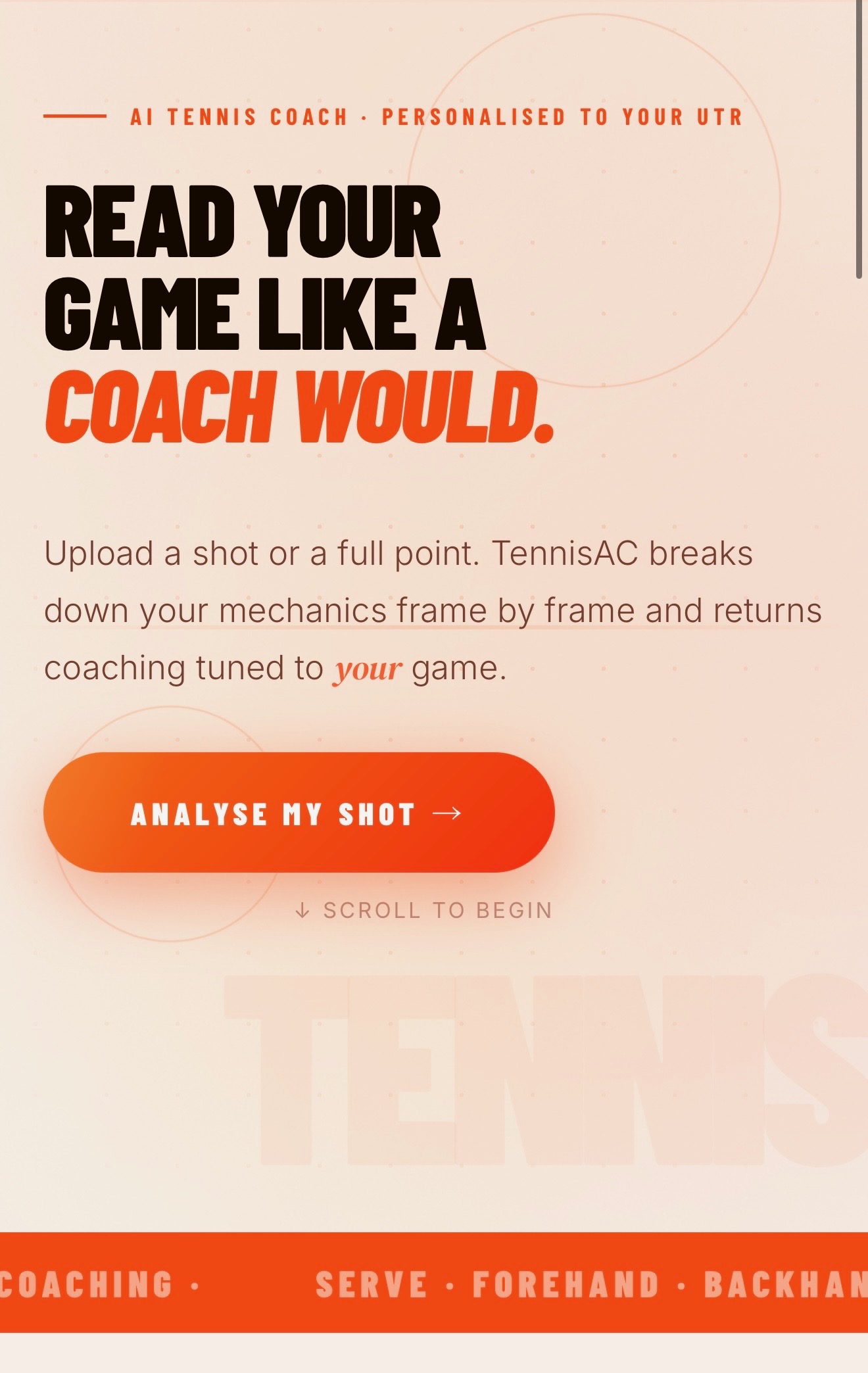
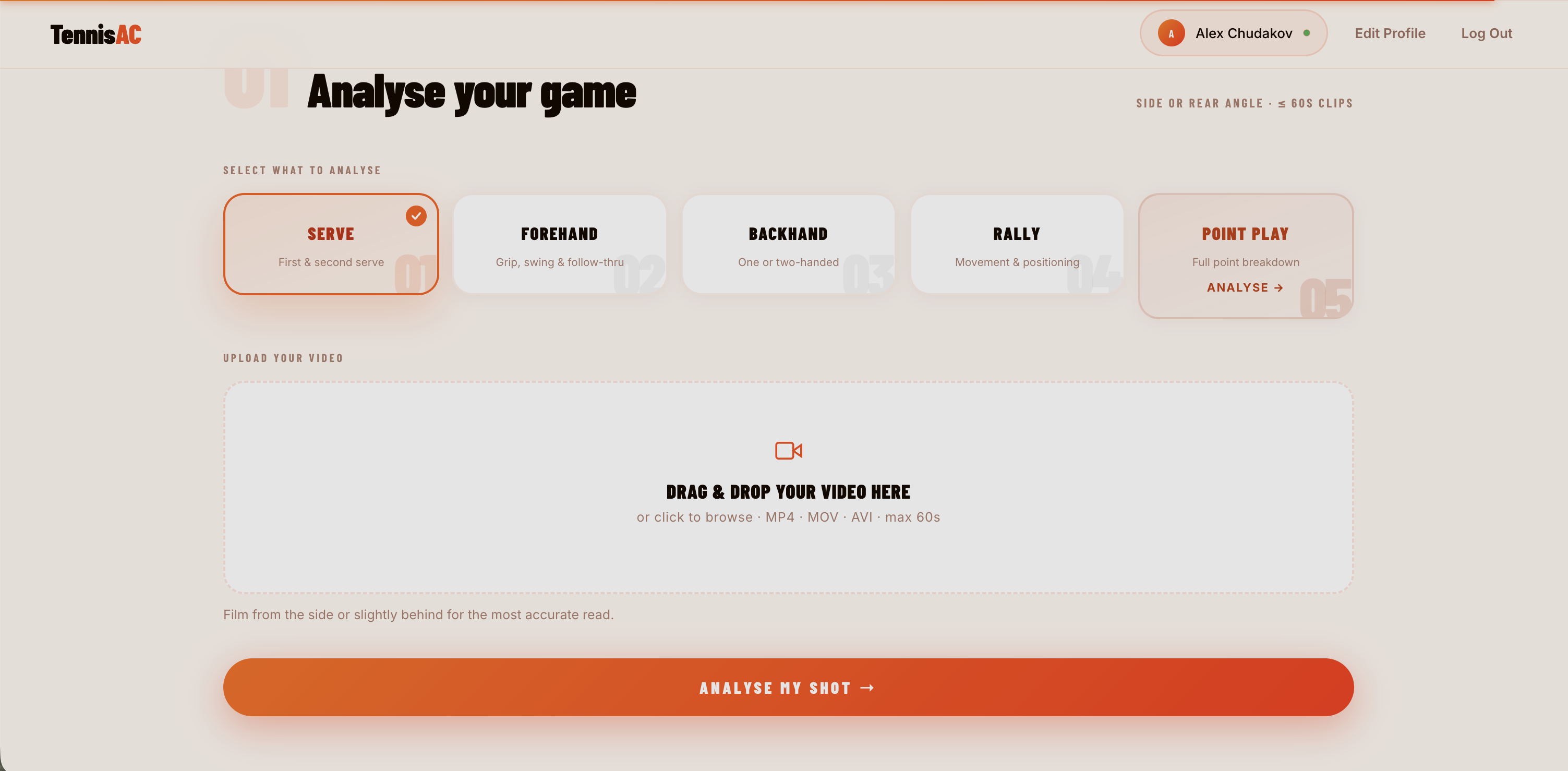
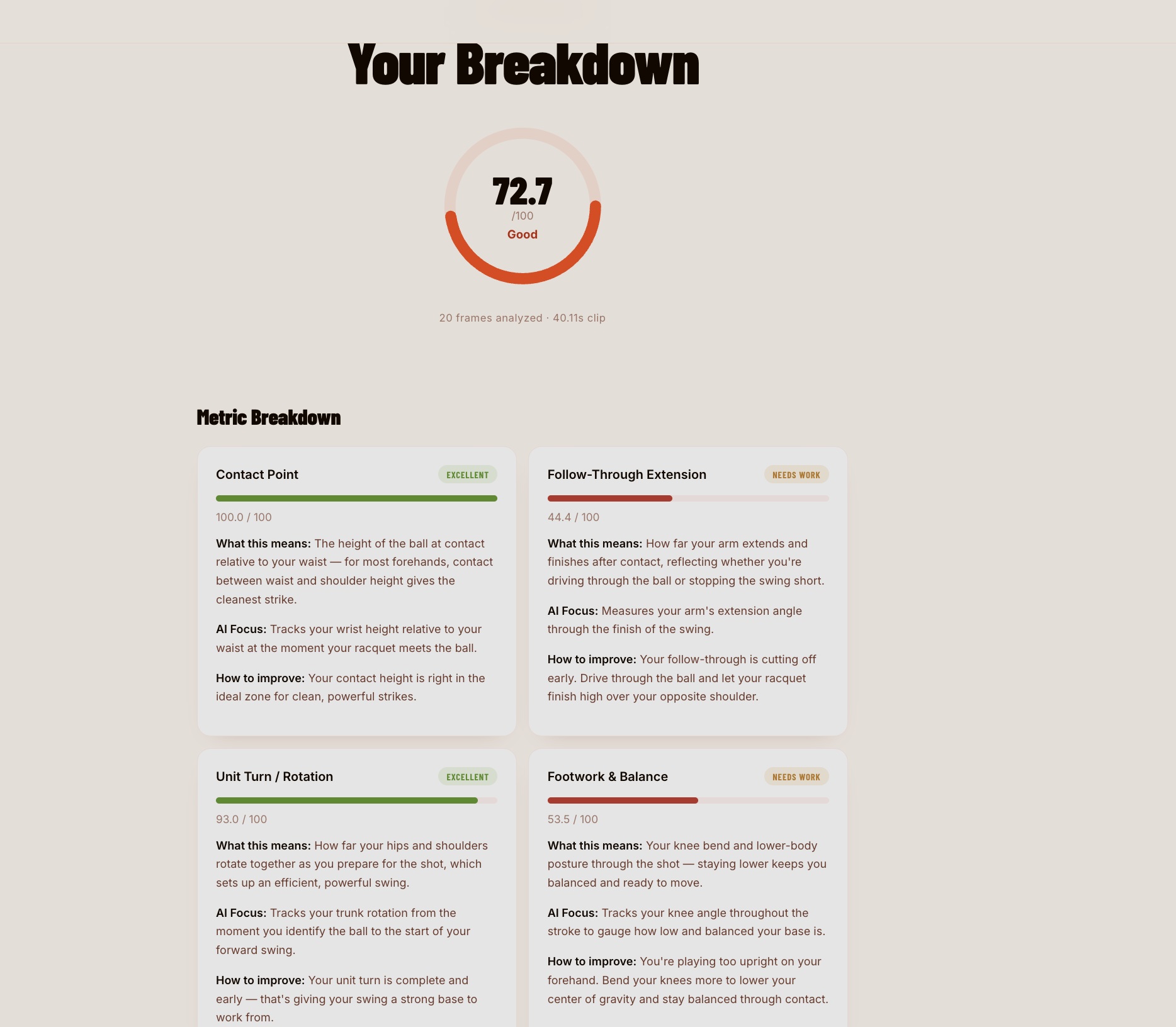
- Analyzes a serve, forehand, or backhand from a single smartphone video
- Scores each element of the motion from 0–100 against shot-specific benchmarks
- Point Play — upload a whole point and get AI tactical analysis, not just form checking
- Uses the Claude API to turn raw scores into natural, personalized coaching feedback
- Player accounts and profiles, so feedback is tailored to the individual
- Live and deployed on Render — runs entirely in the browser
- Full-body pose estimation and landmark tracking, for feedback built on true joint angles
- A conversational "chat coach" that answers questions like "why was that shot bad?"
- Session history and week-over-week shot comparison
- Testing with real users for consistency across players, camera angles, and skill levels
Building TennisAC taught me that creating a working product requires more than writing code. I had to identify problems, test different approaches, study failures, improve the user experience, and decide which features were genuinely useful.
My next goal is to improve TennisAC by testing it with real users, collecting feedback, and expanding its ability to analyze movement through pose estimation and body-landmark tracking. I want to explore whether the platform can provide useful, consistent feedback across different players, camera angles, and skill levels.
Can AI help predict changes in UTR?
I'm interested in researching whether match history, opponent strength, score patterns, recent performance, and other measurable factors can help predict changes in a player's UTR. I'd like to compare an AI-based prediction model with actual rating changes and study where the predictions succeed or fail.
Music
Progress, one step at a time.
Over the years, I have studied classical piano, music theory, and ensemble performance. Learning new pieces has taught me patience, discipline, and the importance of steady practice. Like tennis, music reminds me that meaningful progress comes one step at a time.
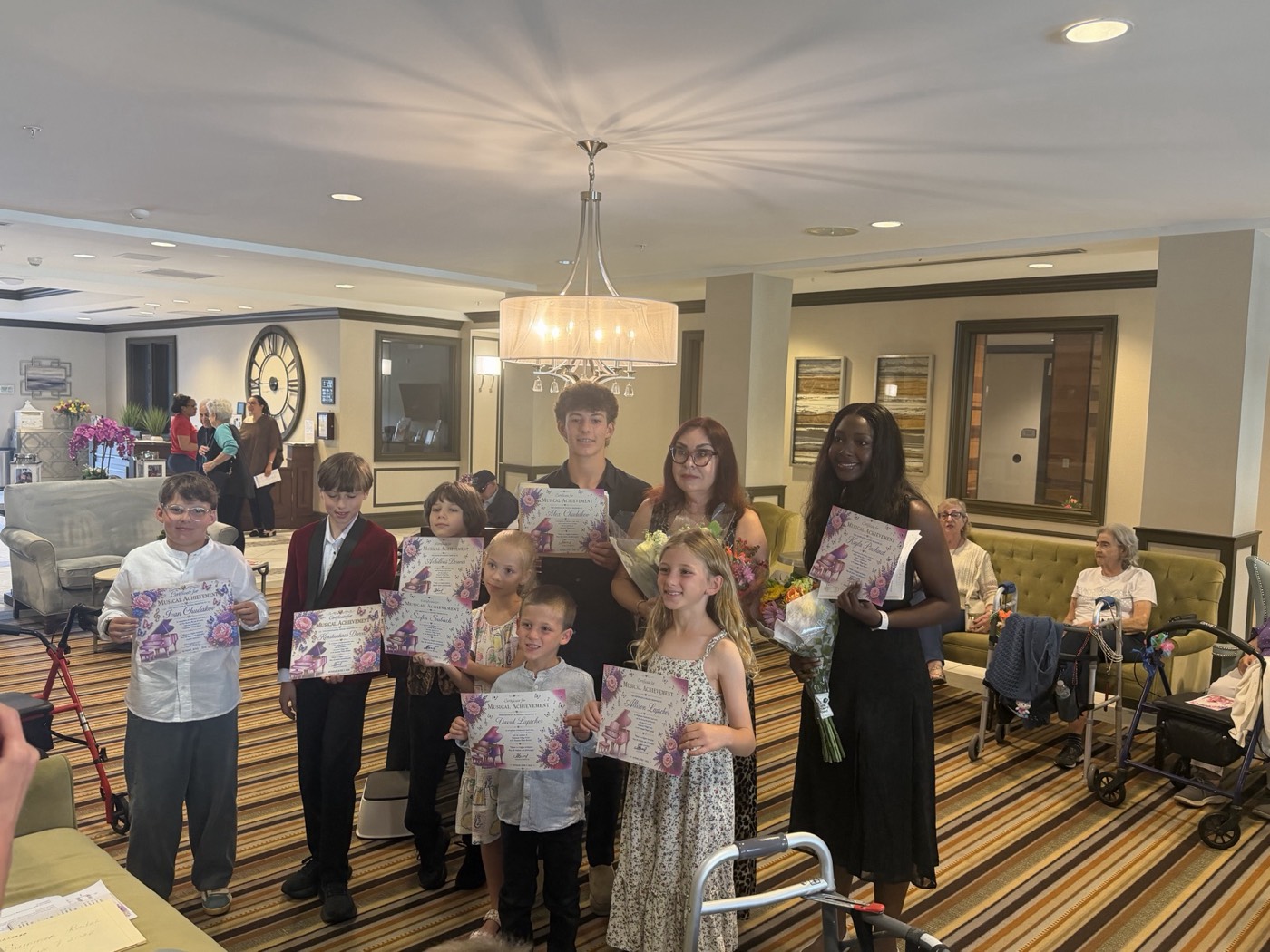
I've had the opportunity to perform at school ceremonies, annual studio recitals, and community events. The performances that mean the most to me, though, are the ones at senior living communities. Watching residents smile, sing along, and share memories connected to the music has shown me that a simple performance can brighten someone's day.
At the end of this school year, I organized a community piano recital featuring seven students from my piano teacher's studio, including my younger brother, Ivan. Together, we performed for the residents of Oakmonte Village Senior Living. Organizing the recital—from coordinating the students to putting together the program—gave me the chance to combine my love of music with community service.
The most meaningful part was seeing how music brought joy and connection to the audience.
Volunteer Service & Published Writing
Being present for others.
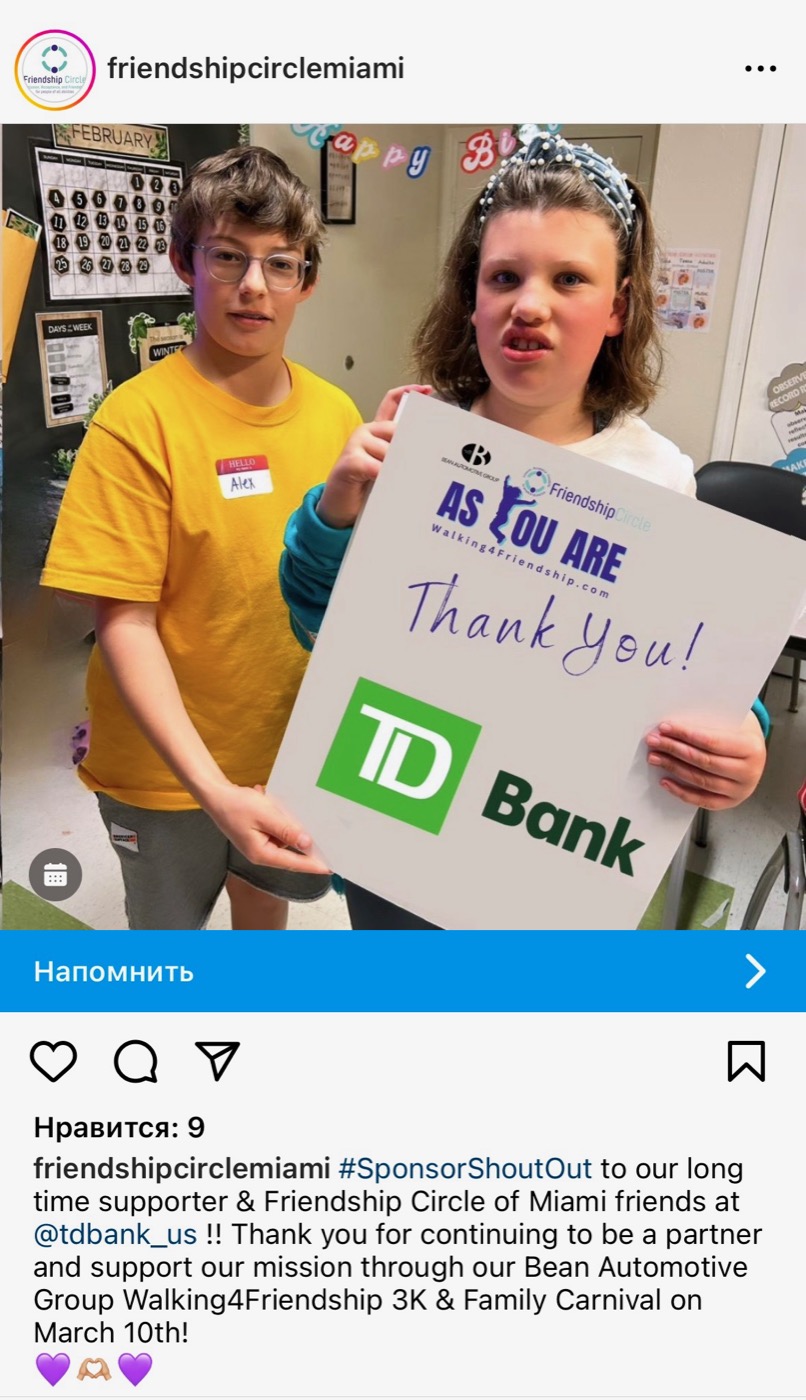
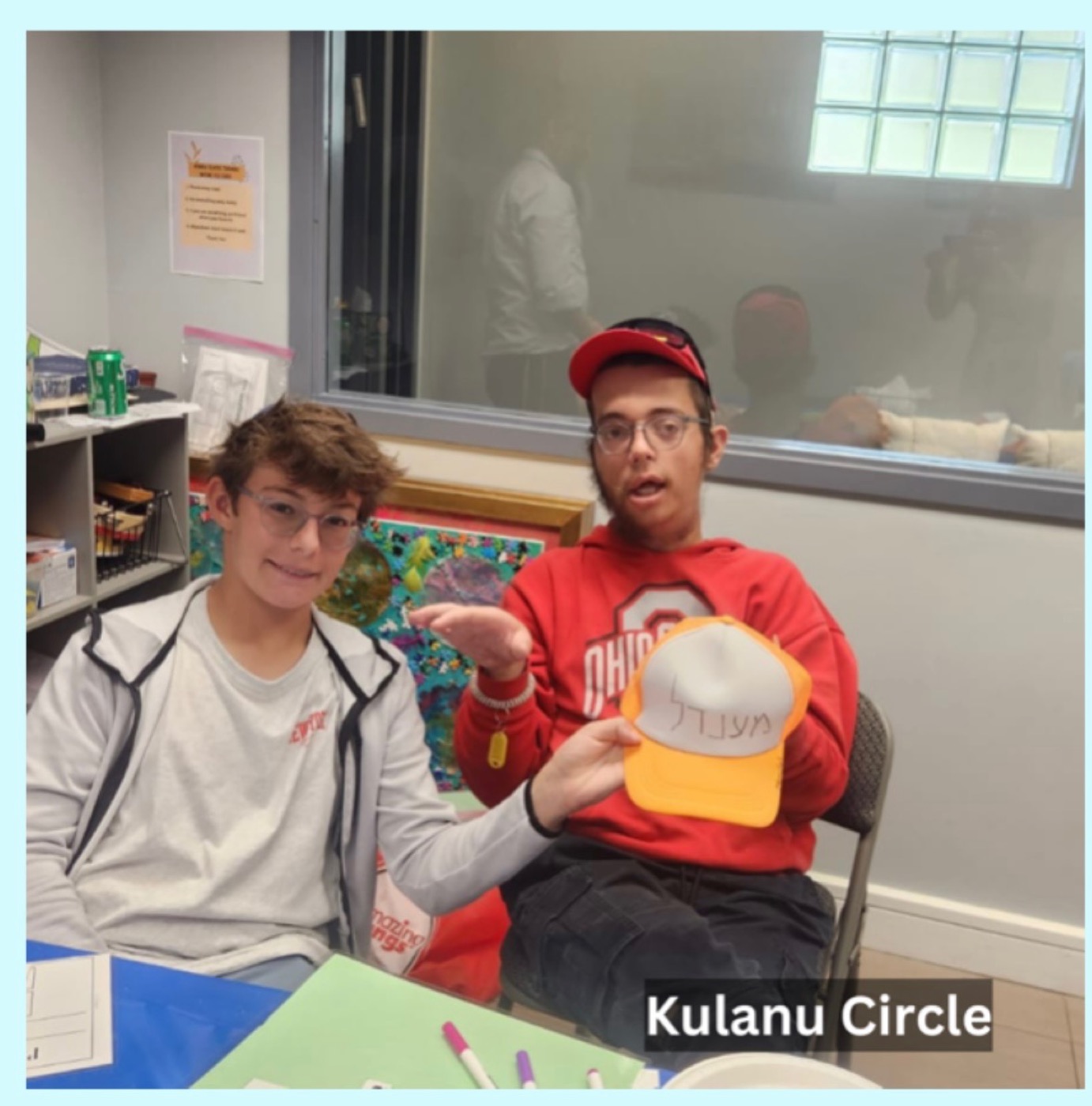
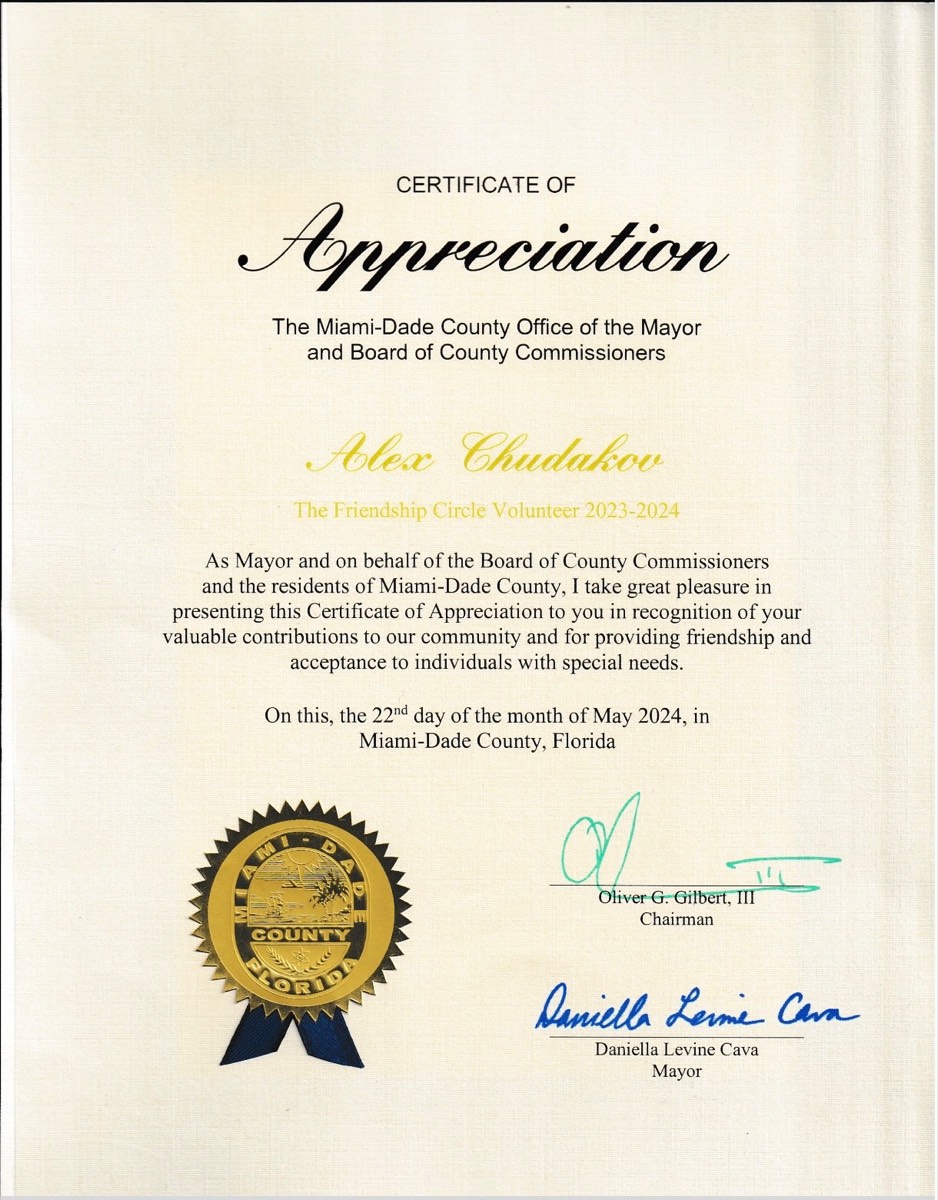
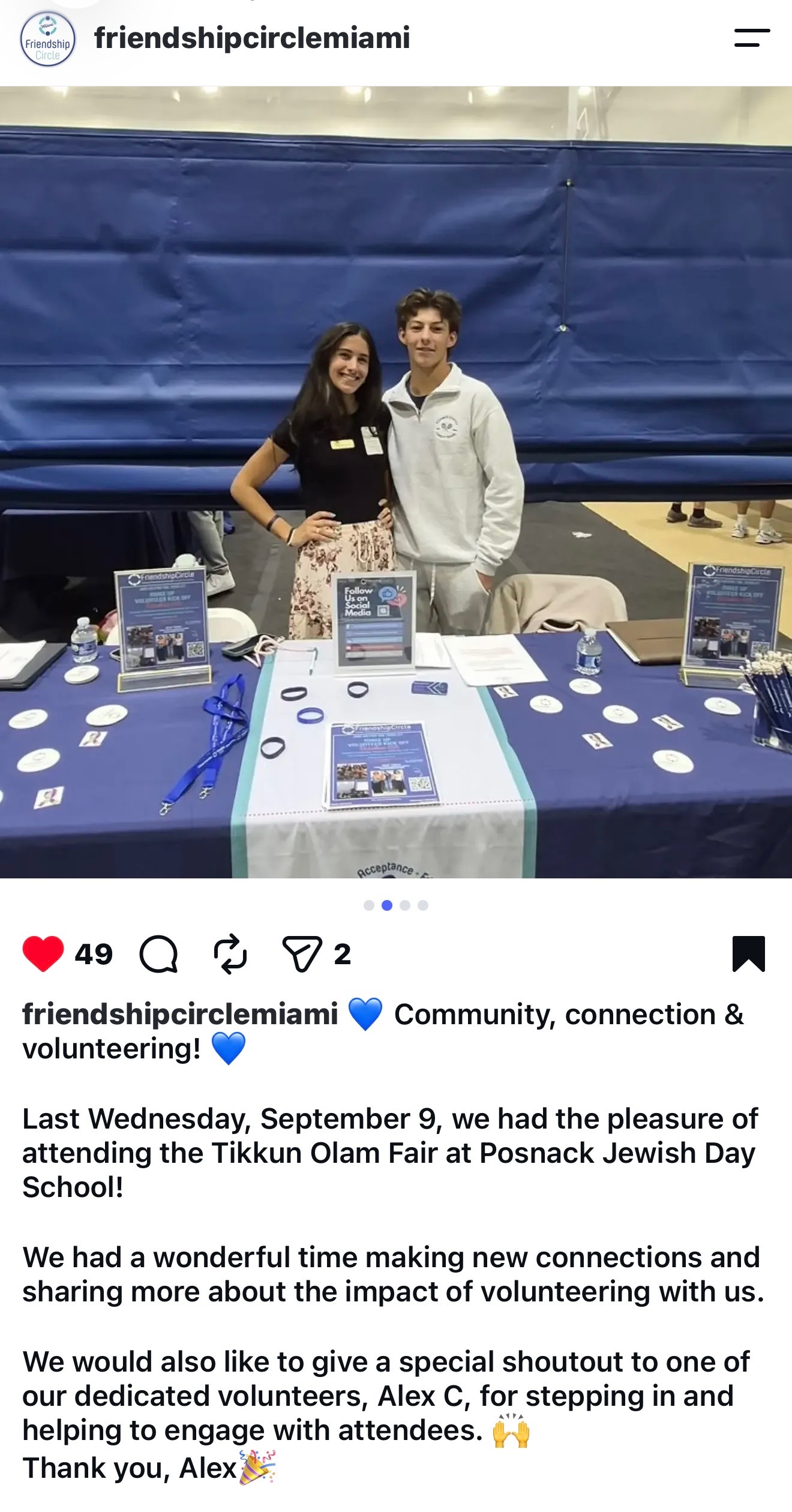
Since seventh grade, I have volunteered with Friendship Circle Miami every other Sunday, helping children and teenagers with special needs participate in recreational and social activities. Whether we're playing games, doing arts and crafts, or simply spending time together, I've learned that the smallest moments of kindness and inclusion can make a real difference.
This experience has taught me patience, empathy, and the importance of being fully present for others. I've also realized that meaningful service isn't always about doing something extraordinary—sometimes it's simply making someone feel welcomed, valued, and included.
Published Writing
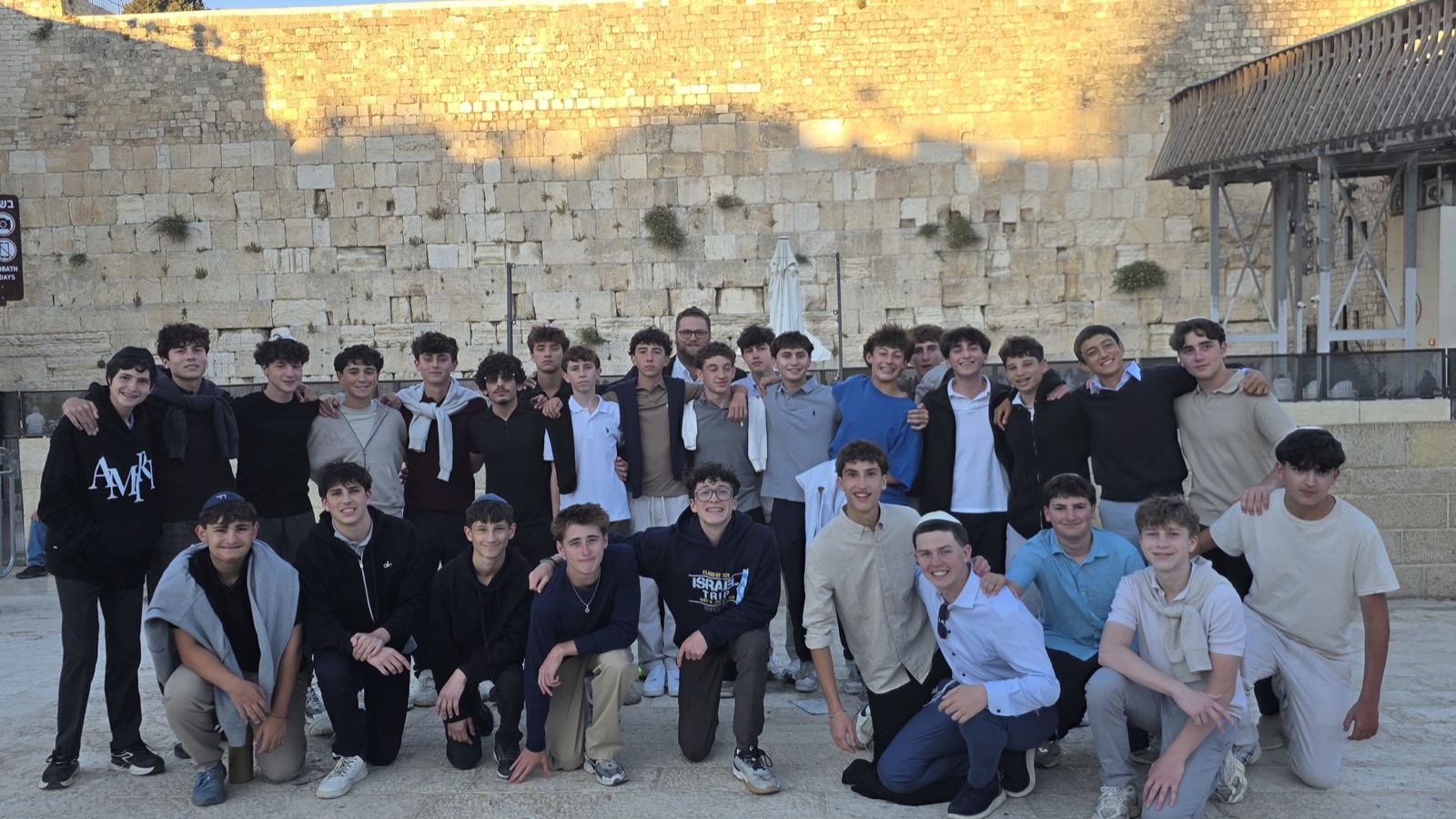
One of my favorite school experiences was writing an article about our trip to Israel for a local Jewish community newspaper. I had never written anything for publication before, so it was exciting to take everything I had seen and experienced on the trip and turn it into an article. The best part was seeing the finished piece actually published in the newspaper and being able to share it with other people.
Beyond School
Fishing.
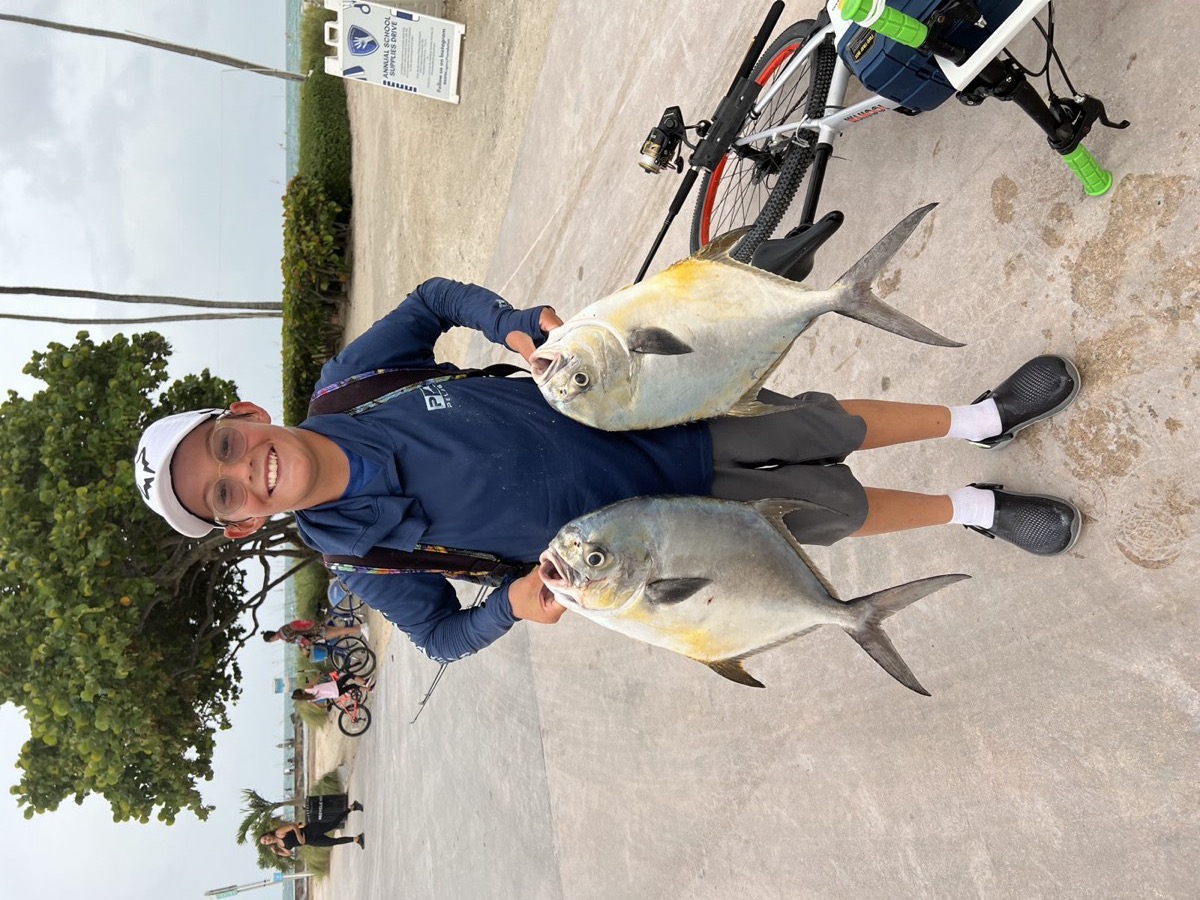
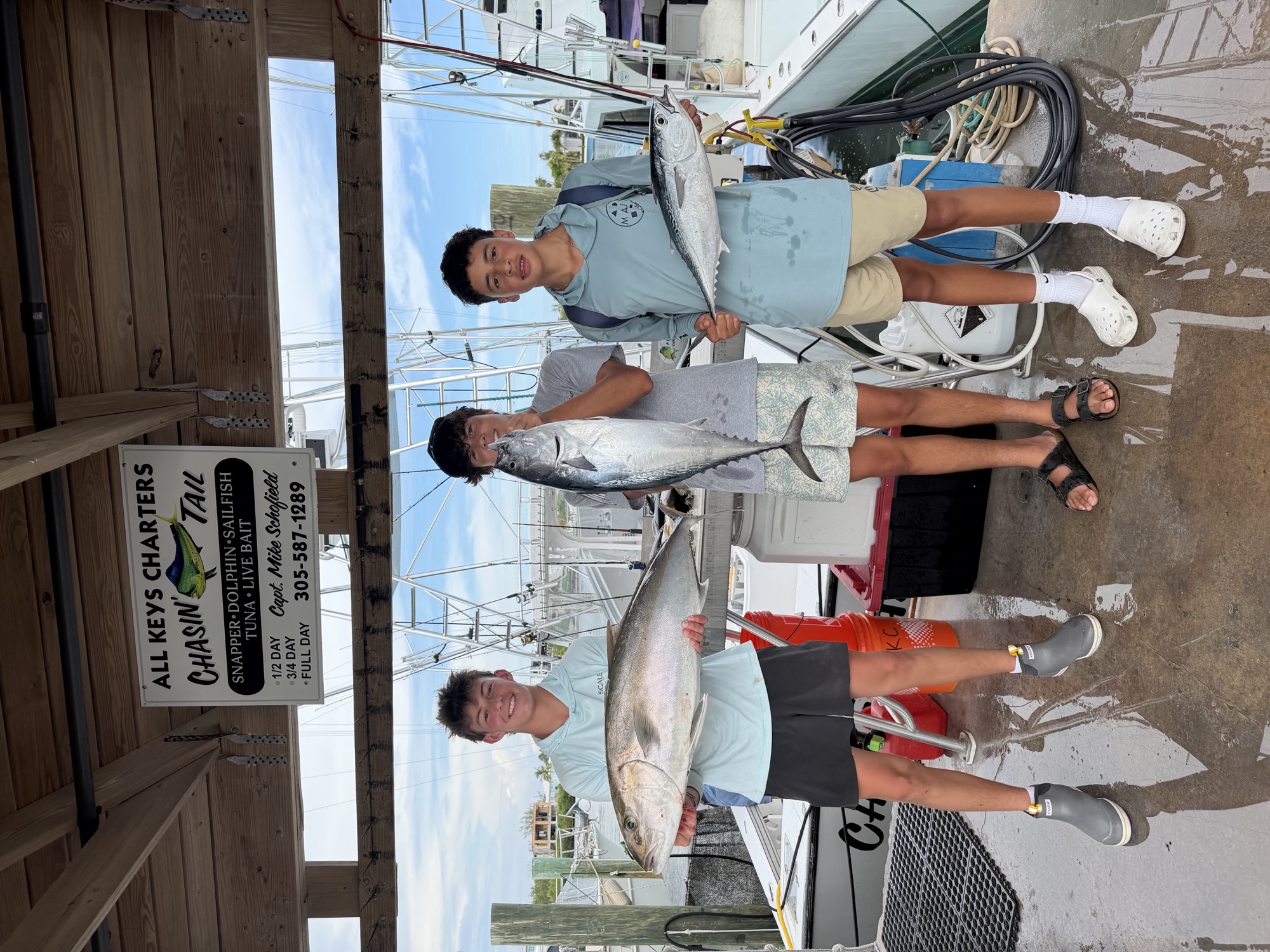
Fishing is one of my favorite ways to spend time outside. I like that every trip is different, and there's always something new to figure out. Sometimes the fish are biting right away, and other times you have to change your bait, move to a different spot, or simply be patient.
I've learned that the little things matter. Paying attention to the weather, the tide, the water, and even the time of day can make a big difference. Not every trip ends with a big catch, but I enjoy the process just as much as the result.
Fishing is also something I enjoy doing with my family and friends. Some of my favorite memories are early mornings on the water—talking, laughing, and waiting for the next bite. It's a great way to take a break from school and sports, spend time outside, and enjoy being in nature.
Looking Ahead
Where this is all going.
I don't know exactly where my interests will take me yet, and that's one of the things I enjoy most. Every project I've started has opened the door to something new. Tennis led me to AI, AI led me to programming, and programming led me to building TennisAC.
For my next school experience, I'm looking for a community where I can keep exploring those connections—where teachers know their students well, teammates challenge each other to improve, and it's normal to be involved in very different things.
I want to keep developing as a student and tennis player, continue making music, explore technology and entrepreneurship, and find mentors and friends who introduce me to interests I haven't discovered yet.